Implementing Predictive Optimization in Databricks: A Practical Guide
Predictive Optimization in Databricks streamlines data maintenance by automating statistics management and optimizing query performance. This guide explores its implementation, operational impacts, and common pitfalls.
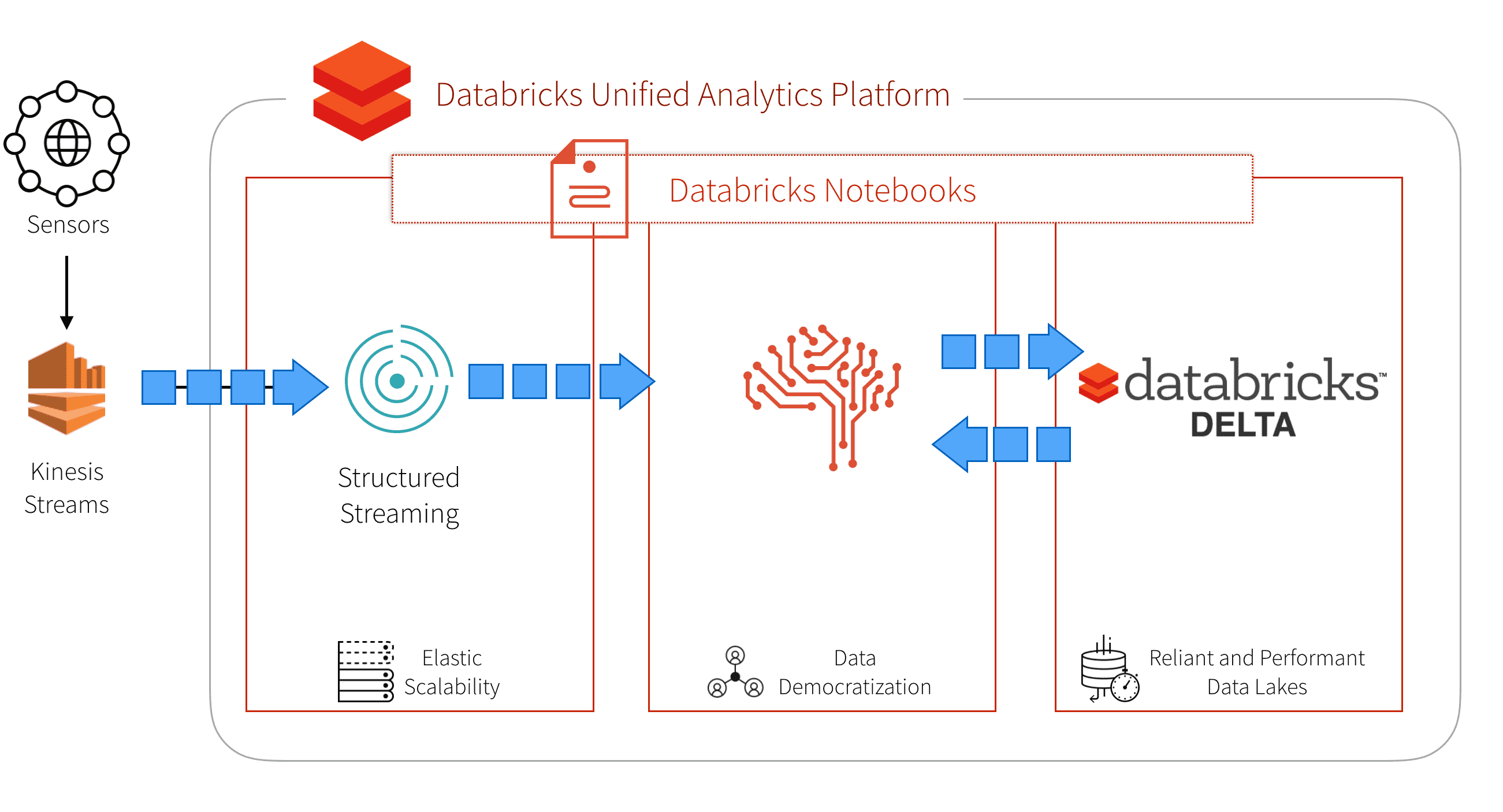
Predictive Optimization in Databricks is a feature designed to simplify data maintenance and enhance query performance by automating the management of statistics and data layout. This capability is particularly beneficial for data engineering teams dealing with large datasets and complex query patterns. By automatically collecting and updating statistics, Predictive Optimization helps in selecting efficient query execution plans, thereby reducing the total cost of ownership and improving performance by an average of 22% across observed workloads [2].
Why Predictive Optimization Matters
In a typical data engineering environment, maintaining up-to-date statistics is crucial for optimizing query performance. However, the manual process of running the ANALYZE command to gather query optimizer statistics can be cumbersome and often neglected, leading to suboptimal query execution plans. Predictive Optimization addresses this by automating statistics collection and maintenance, thus alleviating the operational burden on data teams [2].
Moreover, as data volumes grow and usage patterns evolve, the complexity of managing data layout increases. Predictive Optimization simplifies this by automatically triggering maintenance operations like OPTIMIZE and VACUUM, which compact files and remove unreferenced data, respectively [4]. This not only enhances query performance but also reduces storage costs, making it a valuable tool for cost optimization in production environments [3].
How Predictive Optimization Works
Predictive Optimization operates in two main phases. Initially, statistics are gathered for all new data processed through Photon-enabled compute, which is the default for Databricks SQL and Serverless products. This approach is more efficient as it accesses data only once, unlike the conventional method of executing ANALYZE post-ingestion [2].
As statistics degrade due to operations like UPDATE and DELETE, Predictive Optimization triggers ANALYZE in the background, ensuring that the statistics remain current and reliable. This continuous maintenance of statistics is crucial for maintaining optimal query performance over time [2].
Walking Through Implementation
To enable Predictive Optimization, your Databricks workspace must be on the Premium plan or above, and you must use SQL warehouses or Databricks Runtime 12.2 LTS or above. Predictive Optimization is enabled by default for accounts created after November 11, 2024, and is gradually being rolled out to existing accounts [4].
Here's how you can verify and enable Predictive Optimization:
-- Check if Predictive Optimization is enabled
SHOW TBLPROPERTIES my_table;

-- Enable Predictive Optimization for a specific table
ALTER TABLE my_table SET TBLPROPERTIES ('delta.autoOptimize.optimizeWrite' = true, 'delta.autoOptimize.autoCompact' = true);
These commands ensure that your tables benefit from automatic maintenance operations, reducing the need for manual intervention and optimizing performance [4].
Common Mistakes and Pitfalls
One common mistake is neglecting to verify whether Predictive Optimization is enabled for your tables. This can lead to missed opportunities for performance improvements and cost savings. Always check the table properties to ensure that the necessary settings are active [4].
Another pitfall is over-relying on Predictive Optimization without understanding its limitations. For instance, while it automates many maintenance tasks, it does not replace the need for thoughtful data architecture and query design. Poorly designed schemas or inefficient queries can still lead to performance bottlenecks, regardless of the optimization features in place [5].
When to Use Predictive Optimization
Predictive Optimization is ideal for environments where data volumes are large, and query patterns are complex and dynamic. It is particularly beneficial for Unity Catalog managed tables, where it automates maintenance operations like clustering and compaction [4]. However, it may not be necessary for smaller datasets or simpler query workloads where manual maintenance is manageable and cost-effective.
In conclusion, Predictive Optimization in Databricks offers a powerful way to streamline data maintenance and enhance query performance. By automating statistics management and optimizing data layout, it reduces operational overhead and improves cost efficiency. However, it is essential to understand its capabilities and limitations to fully leverage its benefits in your data engineering workflows.
- Best practices for performance efficiency | Databricks on AWShttps://docs.databricks.com/aws/en/lakehouse-architecture/performance-efficiency/best-practices
- Introducing Predictive Optimization for Statistics | Databricks Bloghttps://www.databricks.com/blog/introducing-predictive-optimization-statistics
- Solved: Best Practices for Optimizing Databricks Costs in ... - Databricks Community - 141280https://community.databricks.com/t5/data-engineering/best-practices-for-optimizing-databricks-costs-in-production/td-p/141280
- Predictive optimization for Unity Catalog managed tables | Databricks on AWShttps://docs.databricks.com/aws/en/optimizations/predictive-optimization
- Best practices: Delta Lake | Databricks on AWShttps://docs.databricks.com/aws/en/delta/best-practices
- Use liquid clustering for tables | Databricks on AWShttps://docs.databricks.com/aws/en/delta/clustering
- Use liquid clustering for tables - Azure Databricks | Microsoft Learnhttps://learn.microsoft.com/en-us/azure/databricks/delta/clustering
- Optimize data file layout - Azure Databricks | Microsoft Learnhttps://learn.microsoft.com/en-us/azure/databricks/delta/optimize
Be the first to comment
One email a morning. The day's playbooks for you.
Pick the categories you care about (or leave blank for everything). The digest is ranked by what you've actually been reading on this device, so it sharpens over time.