Optimizing Multi-Tenant Workloads with Amazon OpenSearch Serverless Collection Groups
Amazon OpenSearch Serverless Collection Groups allow for cost-effective management of multi-tenant workloads by sharing compute resources while maintaining security through distinct KMS keys. This approach optimizes resource utilization and ensures predictable performance.
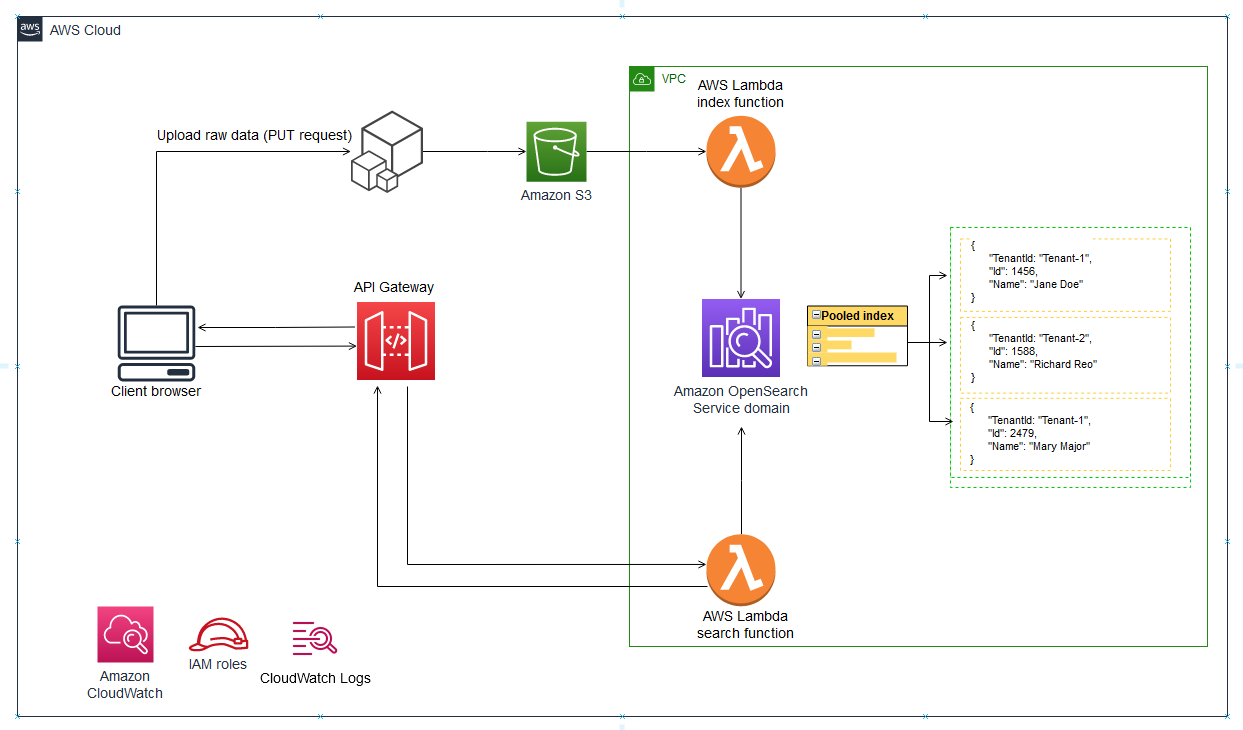
Managing multi-tenant workloads efficiently is a critical challenge for organizations leveraging Amazon OpenSearch Service. The introduction of Collection Groups in Amazon OpenSearch Serverless offers a compelling solution by allowing multiple collections to share compute resources while maintaining security boundaries through distinct AWS Key Management Service (KMS) keys. This feature not only optimizes costs but also ensures that each tenant's data remains isolated and secure.
Understanding Collection Groups
Collection Groups are a new capability in Amazon OpenSearch Serverless designed to enhance cost optimization and resource utilization for multi-tenant workloads. Traditionally, each unique KMS key required dedicated OpenSearch Compute Units (OCUs), which could lead to underutilization and increased costs, especially when managing numerous small tenants. Collection Groups address this by allowing collections to share OCUs, thereby reducing the need for separate compute resources for each KMS key[1][2].
This shared compute model is particularly beneficial for service providers offering "bring your own key" (BYOK) capabilities, as it allows them to maintain tenant-specific encryption without incurring prohibitive costs. By grouping collections together, you can optimize OCU utilization across workloads, reduce costs through resource sharing, and maintain the security isolation required by different encryption keys[3].
Walking Through Collection Group Configuration
To create a Collection Group, you can use the Amazon OpenSearch Service console, AWS CLI, or AWS SDKs. Here’s a step-by-step guide using the AWS CLI:
aws opensearchserverless create-collection-group \
  --name my-collection-group \
  --description "Collection group for production workloads" \
  --capacity-limits maxIndexingCapacityInOCU=20,maxSearchCapacityInOCU=20,minIndexingCapacityInOCU=2,minSearchCapacityInOCU=2 \
  --tags key=Environment,value=Production key=Team,value=DataEngineering
This command creates a new collection group named my-collection-group with specified capacity limits for indexing and search operations. The tags help organize and identify the collection group within your AWS environment[4].
Once a collection group is created, you can add collections to it. Each collection can only belong to one collection group at a time, ensuring clear resource allocation and management. This setup allows you to maintain consistent performance by setting minimum OCU allocations, which eliminates cold start delays and provides predictable performance for latency-sensitive applications[1][4].
Common Mistakes and How to Avoid Them
One common mistake when configuring Collection Groups is not setting appropriate minimum OCU limits. Without these, you might face performance issues during sudden traffic spikes, as the system may not have enough pre-allocated capacity to handle the load efficiently. It's crucial to assess your workload patterns and set these limits to ensure that your applications can handle peak loads without degradation in performance[2][6].
Another pitfall is mismanaging security boundaries. While Collection Groups allow for shared compute resources, it's important to ensure that the encryption and access controls are correctly configured to prevent data breaches. Each collection within a group should still adhere to its designated KMS key and access policies to maintain the necessary security isolation[8].
When to Use Collection Groups
Collection Groups are ideal when you need to manage multiple tenants with varying encryption requirements while optimizing costs. They are particularly beneficial for scenarios where you have numerous small tenants, each requiring their own KMS key, as they allow you to avoid the overhead of dedicated OCUs for each key. This makes them a perfect fit for service providers offering flexible, secure, and cost-effective solutions to their clients[3][5].
However, if your workload requires strict physical isolation for compliance reasons, or if you have a few large tenants that fully utilize their allocated resources, the traditional dedicated OCU model might still be preferable. In such cases, the cost benefits of shared resources might not outweigh the need for absolute isolation[7].
- Amazon OpenSearch Serverless now supports Collection Groups - AWShttps://aws.amazon.com/about-aws/whats-new/2026/02/amazon-opensearch-serverless-supports-collection-groups/
- Amazon OpenSearch Serverless introduces collection groups to optimize cost for multi-tenant workloads | AWS Big Data Bloghttps://aws.amazon.com/blogs/big-data/amazon-opensearch-serverless-introduces-collection-groups-to-optimize-cost-for-multi-tenant-workloads/
- Amazon OpenSearch Serverless Optimizes Multi-Tenant Workloads with Collection Groups | AWS Databases & Analytics posted on the topic | LinkedInhttps://www.linkedin.com/posts/aws-databases_awsanalytics-dataanalytics-vectorsearch-activity-7435776282715627521-zibX
- Create collection groups - Amazon OpenSearch Servicehttps://docs.aws.amazon.com/opensearch-service/latest/developerguide/serverless-collection-groups-procedures.html
- Build a multi-tenant serverless architecture in Amazon OpenSearch Service - AWS Prescriptive Guidancehttps://docs.aws.amazon.com/prescriptive-guidance/latest/patterns/build-a-multi-tenant-serverless-architecture-in-amazon-opensearch-service.html
- Manage Amazon OpenSearch Serverless collection groups - Amazon OpenSearch Servicehttps://docs.aws.amazon.com/opensearch-service/latest/developerguide/manage-collection-group.html
- Workload management in OpenSearch-based multi-tenant centralized logging platforms | AWS Big Data Bloghttps://aws.amazon.com/blogs/big-data/workload-management-in-opensearch-based-multi-tenant-centralized-logging-platforms/
- Amazon OpenSearch Serverless collection groups - Amazon OpenSearch Servicehttps://docs.aws.amazon.com/opensearch-service/latest/developerguide/serverless-collection-groups.html
Be the first to comment
One email a morning. The day's playbooks for you.
Pick the categories you care about (or leave blank for everything). The digest is ranked by what you've actually been reading on this device, so it sharpens over time.