Optimizing Real-Time Mode in Spark 4.1: Beyond the Basics
Real-Time Mode in Spark 4.1 offers ultra-low latency processing, but deploying it effectively requires understanding its operational nuances. This article explores practical strategies and common pitfalls when implementing Real-Time Mode in production.
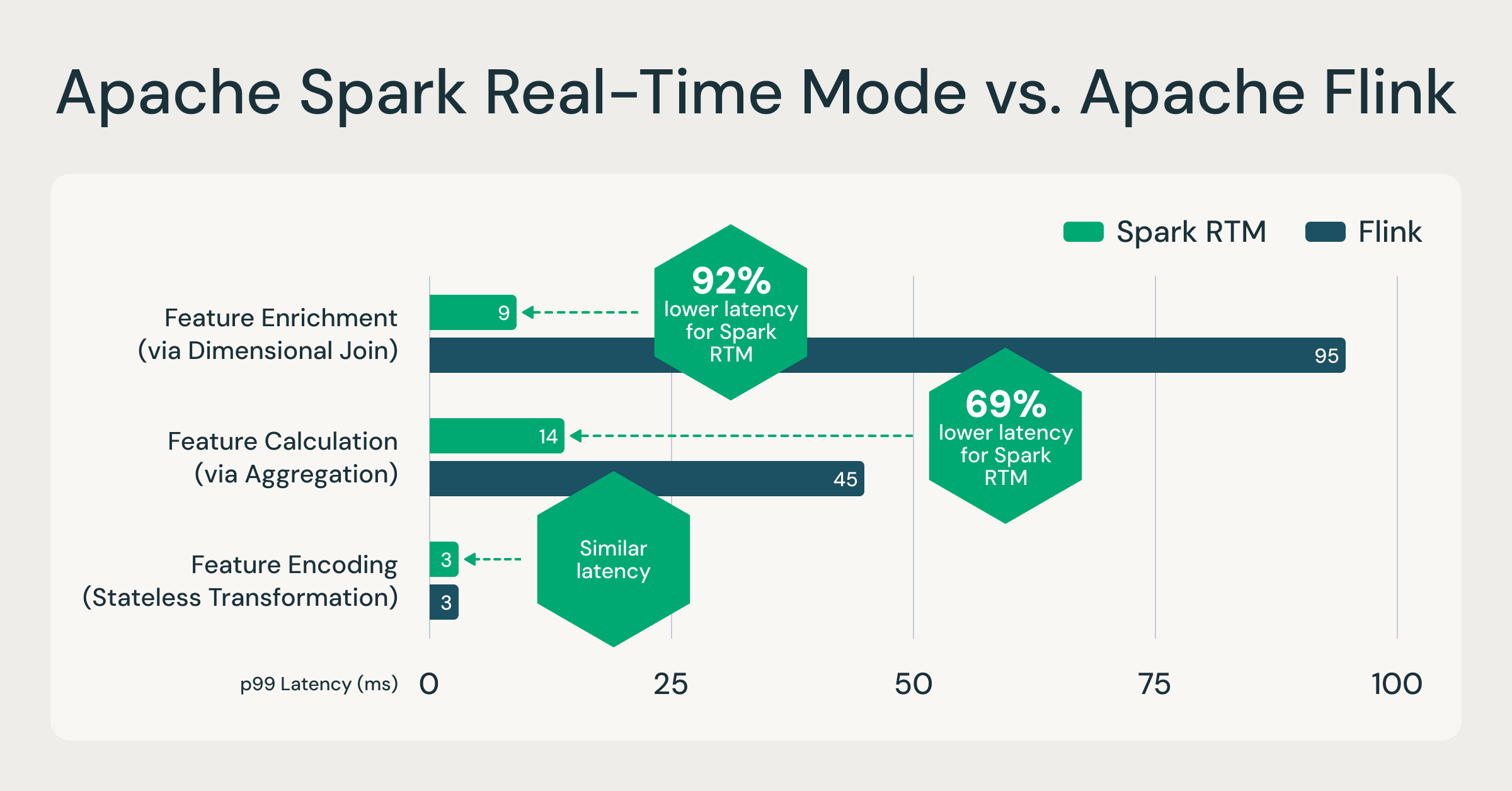
Real-time data processing is a critical requirement for many modern applications, from fraud detection to real-time personalization. Apache Spark 4.1's Real-Time Mode offers a promising solution by enabling ultra-low latency processing, with latencies in the tens of milliseconds. However, deploying this feature in production involves more than just flipping a switch. Understanding its operational intricacies and potential pitfalls is crucial for leveraging its full potential.
Why Real-Time Mode Matters
Traditional Spark Structured Streaming operates on a micro-batch architecture, which, while effective for many use cases, introduces latency that can be a bottleneck for applications requiring immediate data processing. Real-Time Mode addresses this by processing events as they arrive, thus reducing latency significantly. This capability is particularly beneficial for applications like fraud detection, where decisions need to be made in milliseconds to prevent financial losses, or in live personalization, where user engagement can be enhanced by immediate feedback [1][7].
How Real-Time Mode Works
Real-Time Mode in Spark 4.1 processes data continuously, emitting results as soon as they are ready. This is achieved through a new trigger type that schedules stages concurrently, allowing data to pass between tasks in memory using a streaming shuffle. This architecture minimizes the overhead associated with micro-batch processing, such as writing log files and state updates to storage, which can add significant latency [1][7].
Walking Through Real-Time Mode
To enable Real-Time Mode, you only need to adjust the trigger configuration in your existing Structured Streaming code. Here's a basic example in Scala:
val query = df.writeStream
  .format("console")
  .trigger(Trigger.Continuous("1 second"))
  .start()
This configuration sets the stream to process data continuously with a latency target of one second. However, achieving optimal performance requires more than just setting the trigger. You need to consider the complexity of transformations and the underlying infrastructure to ensure that the system can handle the increased throughput and reduced latency [2][6].
Common Mistakes and Pitfalls
One common mistake when adopting Real-Time Mode is underestimating the infrastructure requirements. Real-Time Mode's low latency demands can place significant stress on network and compute resources. Without adequate provisioning, you might encounter bottlenecks that negate the benefits of real-time processing [1][7].
Another pitfall is neglecting the impact of complex transformations. While Real-Time Mode can handle simple transformations efficiently, complex operations can introduce latency spikes. It's essential to profile your streaming jobs and optimize transformations to maintain low latency [1][7].
When to Use Real-Time Mode
Real-Time Mode is ideal for applications where latency is critical, such as fraud detection, real-time analytics, and live personalization. However, it might not be the best choice for all scenarios. If your application can tolerate higher latencies or if the cost of maintaining the necessary infrastructure is prohibitive, traditional micro-batch processing might be more appropriate [1][4].
In conclusion, while Real-Time Mode in Spark 4.1 offers significant advantages for low-latency applications, it requires careful consideration of operational and infrastructural factors to deploy effectively. By understanding these nuances, you can leverage Real-Time Mode to its fullest potential, ensuring that your applications are both fast and reliable.
- Introducing Real-Time Mode in Apache Spark™ Structured Streaming | Databricks Bloghttps://www.databricks.com/blog/introducing-real-time-mode-apache-sparktm-structured-streaming
- Structured Streaming Programming Guide - Spark 4.1.1 Documentationhttps://spark.apache.org/docs/latest/streaming/structured-streaming-transform-with-state.html
- Structured Streaming Programming Guide - Spark 4.1.0 Documentationhttps://spark.apache.org/docs/4.1.0/streaming/getting-started.html
- Real-Time Mode in Apache Spark Structured Streamin... - Databricks Community - 133439https://community.databricks.com/t5/community-articles/real-time-mode-in-apache-spark-structured-streaming/td-p/133439
- Spark Streaming - Spark 4.1.1 Documentationhttps://spark.apache.org/docs/latest/streaming-programming-guide.html
- Structured Streaming Programming Guide - Spark 4.1.0 Documentationhttps://spark.apache.org/docs/4.1.0/streaming/performance-tips.html
- Breaking the microbatch barrier: The architecture of Apache Spark Real-Time Mode | Databricks Bloghttps://www.databricks.com/blog/breaking-microbatch-barrier-architecture-apache-spark-real-time-mode
- 7 Minutes to Understand the New Spark Streaming Feature that Changes Everythinghttps://moderndata101.substack.com/p/understand-the-new-spark
Be the first to comment
One email a morning. The day's playbooks for you.
Pick the categories you care about (or leave blank for everything). The digest is ranked by what you've actually been reading on this device, so it sharpens over time.