Stop Being Ignored: Get Anyone to Listen
Most people stop reading your emails after just 200 words. By applying the principles of Smart Brevity, you can cut the fluff and deliver your main point immediately. Learn how I transformed my writing style to get faster responses and keep my audience deeply engaged.
Go deeper2 min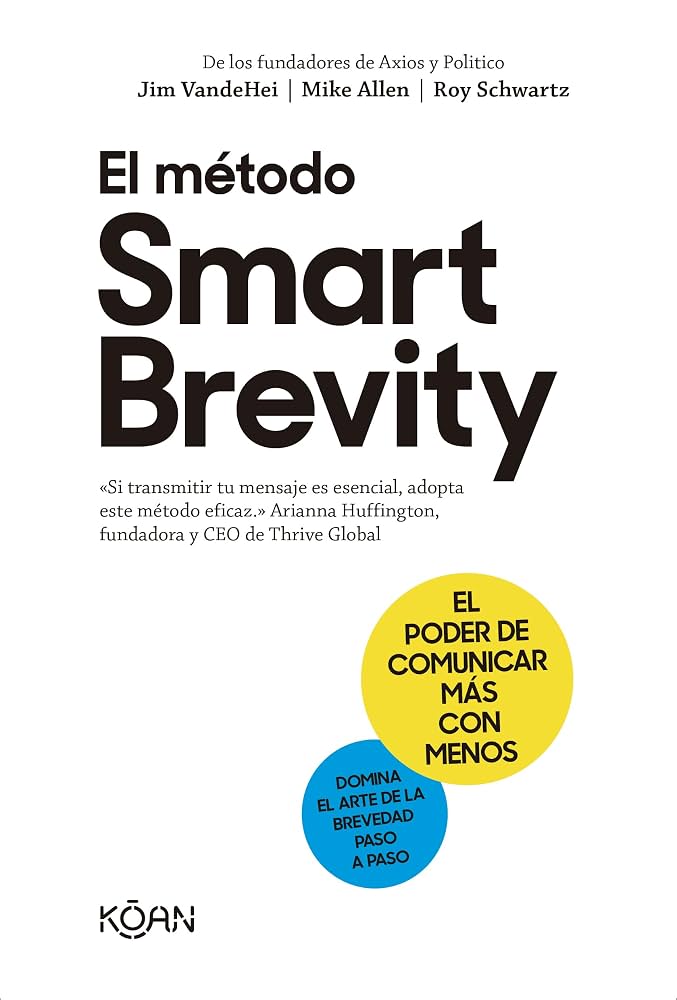

Stop Wasting Words: How Smart Brevity Transformed My Communication
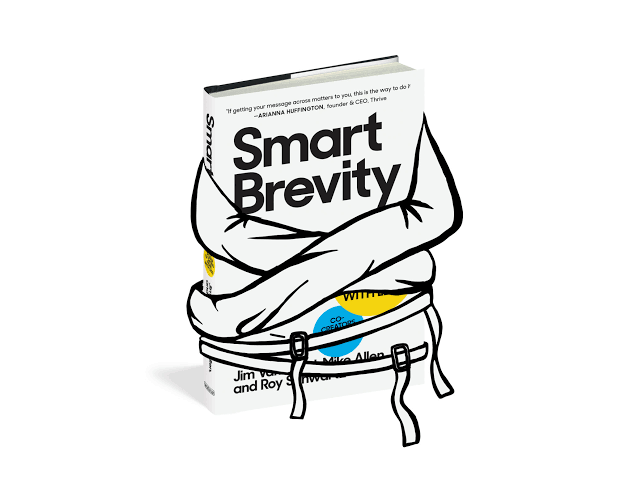
The big picture: I recently finished reading Smart Brevity by Jim VandeHei, Mike Allen, and Roy Schwartz. The book completely shifted how I approach writing. I have included concrete before-and-after examples of how I write now in the "Go Deeper" section at the bottom of this post.
Why it matters: People are drowning in text. Data shows most readers consume about 200 words before they abandon a piece of content. If you bury your main point in the third paragraph, your audience is already gone.
This book made me rethink my emails: I used to send dense, detailed updates assuming people wanted all the context upfront. Now, I apply Smart Brevity principles to my team messages, emails, and these blog posts.
The impact:
- Actionable executive responses: My emails to CXOs are finally heard. Instead of silence, I get quick, decisive responses.
- Better reading depth: My blog analytics show visitors are staying longer and reading deeper because the content respects their time.
The core concepts:
- Deliver the punchline first. Put your most critical piece of information in the very first sentence.
- Write in active voice. Tell the reader exactly who did what. It makes your writing stronger and more direct.
- Format for the eye. Use bold text, bullet points, and short paragraphs to guide scanners to the facts they need.
- Cut the fluff. If a word does not advance your core point, delete it.
Go deeperThe full details behind this post, with sources.
Inside: Go Deeper: The Core Concepts of Smart Brevity
OpenClose
The full details behind this post, with sources.
Inside: Go Deeper: The Core Concepts of Smart Brevity
Go Deeper: The Core Concepts of Smart Brevity
If you made it this far, you want the mechanics. The book breaks effective communication down into distinct, repeatable parts. Here is a summary of every core concept and how to apply it.
1. The Tease (The Subject Line or Headline)
- The concept: You have to earn the click. The subject line or headline must tell the reader exactly what to expect. Keep it under six words. Never use vague mysteries.
- The example:
- Before: "Thoughts and notes regarding yesterday's data architecture planning meeting."
- After: "Decisions from Tuesday's architecture sync."
2. The Lede (Your One Big Thing)
- The concept: Deliver your punchline first. The most important, impactful piece of information must be your very first sentence. If the reader stops after sentence one, they should still know your main point.
- The example:
- Before: "I am writing to give everyone a quick update on the new data platform deployment we discussed last month."
- After: "The new data platform deploys this Friday at midnight."
3. Why It Matters (The Context)
- The concept: Once you state the news, immediately explain the impact. Tell the reader exactly why they should care, how it affects them, or what changes because of it.
- The example:
- Before: "This will allow us to start pulling data differently and might change how we look at our overnight batches."
- After: "Why it matters: This upgrade eliminates the overnight batch dependency, giving leadership access to live dashboards."
4. Go Deeper (The Reader's Choice)
- The concept: Stop forcing people to read the background information to find the news. Give them the essentials at the top, draw a line, and put the supporting details in a "Go Deeper" section. It gives the reader the power to choose how much time they invest.
- The example: You are reading the example right now. The top of this article gave you the high-level summary. This section exists only for those who chose to learn the mechanics.
5. Visual Formatting (Formatting for the Eye)
- The concept: Readers scan; they do not read. A dense block of text looks like a chore. Use bold text, bullet points, and short paragraphs to create a visual map. Guide the reader's eye directly to the facts.
- The example:
- Before: A solid, 150-word paragraph detailing three different project updates, all blending together.
- After: A bulleted list with bolded lead-in words isolating each project update, exactly like the list you are reading now.
6. Smart Words (Active Voice and Ruthless Editing)
- The concept: Cut the fluff. Delete weak words, jargon, and passive phrasing. Make the subject of your sentence perform the action. Strong, active verbs accelerate comprehension and make your writing sound confident.
- The example:
- Before (Passive & Fluffy): "The decision was made by the engineering team to halt the API integration due to the fact that there were security concerns."
- After (Active & Direct): "The engineering team halted the API integration to fix security vulnerabilities."